The Essential Guide to Planning Your Micro-Wedding
In recent years, the trend of celebrating weddings with a small, intimate gathering of only the closest family and friends has gained remarkable popularity. We've consulted leading experts in the wedding industry to delve into the benefits and challenges of micro-weddings, offering valuable insights and tips to help you plan a day that perfectly aligns with your vision.
Understanding the Micro-Wedding
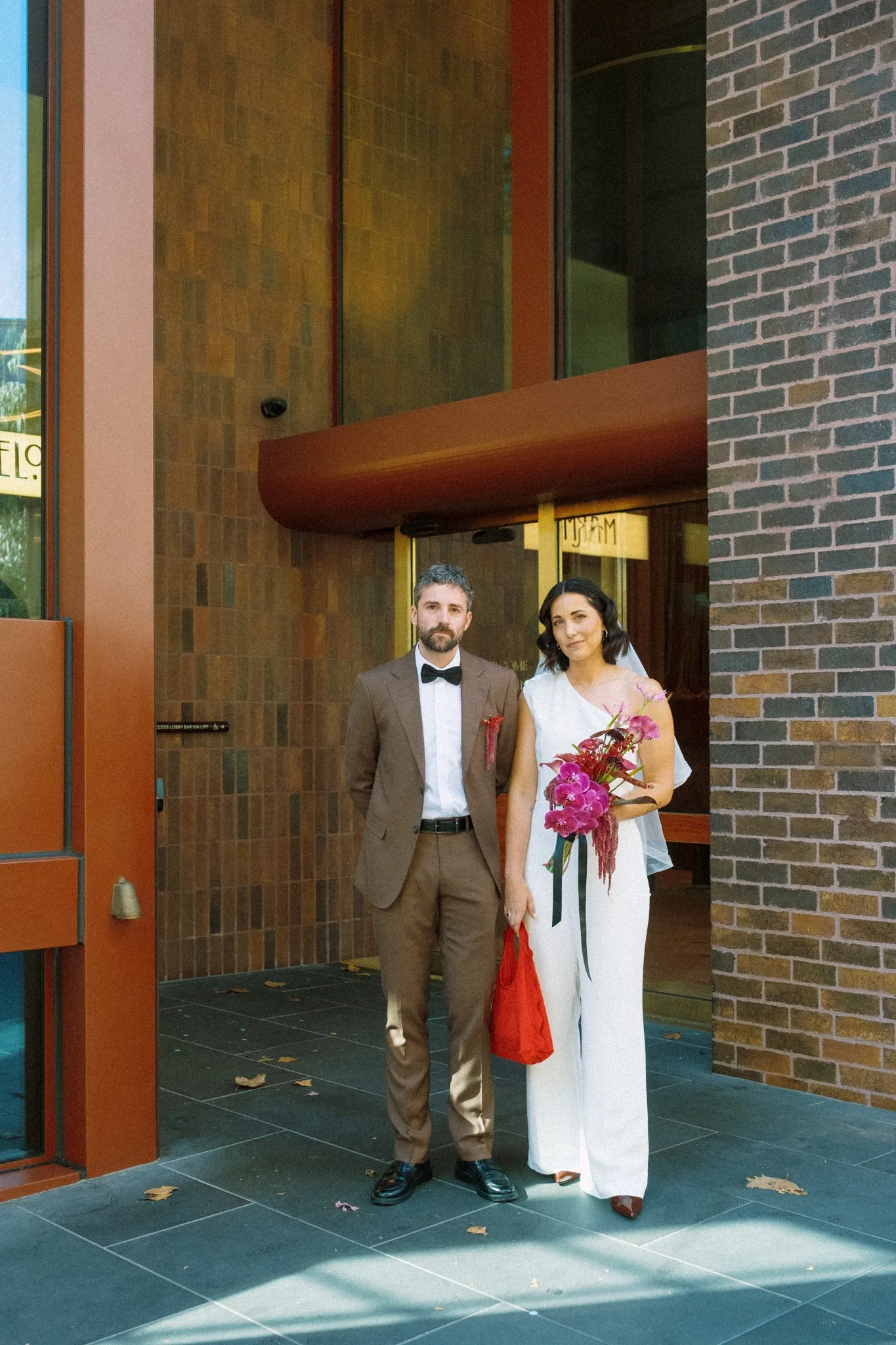
The term “micro-wedding” is quite descriptive. This format represents a more intimate alternative to traditional wedding celebrations, featuring a guest list of fewer than 50 people. It fosters a cozy, dinner-party-like atmosphere with a close-knit circle of loved ones. Ideal for couples seeking a personal and ambient celebration, the micro-wedding emphasizes deep connections and unique experiences, making it a splendid choice for those who favor a more intimate, unconventional approach.
Despite the smaller scale, micro-weddings demand the same level of meticulous planning as grander events, including the coordination of a full array of vendors.
Defining the Minimony
A minimony is a modern adaptation of the traditional wedding, involving only the couple and a few close family members or friends. Gaining traction during the pandemic, when many couples were compelled to downsize their celebrations due to gathering restrictions, this trend continues today. Some couples opt for a minimony as a private ceremony, followed by a larger celebration or party at a later date.
Micro-Wedding vs. Elopement
The distinction between a micro-wedding and an elopement can be subtle, yet significant. Elopements often lack the supportive presence of family and friends, which can be vital. Micro-weddings offer a fuller experience with more interactions and opportunities for creative expression. The micro-wedding is characterized by its more structured event and traditional elements, whereas an elopement tends to be more spontaneous and intimate.
The Advantages of Micro-Weddings
When choosing the ideal wedding format, weighing the pros and cons is crucial. Micro-weddings present several notable advantages:

Reduced Pressure
Planning a wedding, irrespective of size, is a significant undertaking. A micro-wedding, with its smaller guest list, often means less logistical complexity and pressure.
Intimate Atmosphere
The charm of a micro-wedding lies in its private, intimate setting. Couples can share their special moments with a select group, allowing for deeper connections and more meaningful interactions.
Flexibility and Cost-Efficiency
Micro-weddings offer flexibility in venue choice, date, and overall planning. With a smaller guest list, couples can allocate their budget towards high-quality details and aesthetics.
Eco-Friendliness
Smaller weddings make it easier to focus on sustainability. Couples can select eco-friendly materials and locally sourced options for decor and catering, contributing to a greener celebration.
The Drawbacks of Micro-Weddings
While micro-weddings have distinct benefits, they also come with their own set of challenges:
Limited Guest List
The intimate nature of micro-weddings necessitates tough decisions about the guest list, which can lead to difficult choices and potentially hurt feelings, as noted by Anastasia Aslanyan.
Potentially Less Lively
Micro-weddings may lack the high-energy atmosphere of larger celebrations. The Lynden Lane Co. suggests that a larger event can offer a more spirited celebration.
Vendor Limitations
Some vendors may not cater to micro-weddings or might have minimum requirements that could pose challenges.
Increased Noticeability of Absences
With fewer guests, the absence of any individual can be more pronounced in a micro-wedding setting.

Size and Cost Considerations
Typically hosting fewer than 50 guests, micro-weddings do not have a fixed cost.
Guest List Selection
When planning a micro-wedding, focus on inviting those who are closest to you.
Planning
The planning process for a micro-wedding mirrors that of larger weddings but with added flexibility. Consider off-peak times for better rates and availability, and create a detailed timeline to ensure a smooth event.
Venue and Entertainment Ideas
Micro-weddings allow for unique venue choices and creative entertainment options. Whether it's a private villa, an art gallery, or a stunning family estate, the possibilities are vast. Consider interactive experiences, such as cooking classes or live painters, to make your celebration memorable.
In conclusion, a micro-wedding offers a personalized, intimate alternative to traditional celebrations. With careful planning and thoughtful choices, it can be a deeply meaningful and memorable occasion.